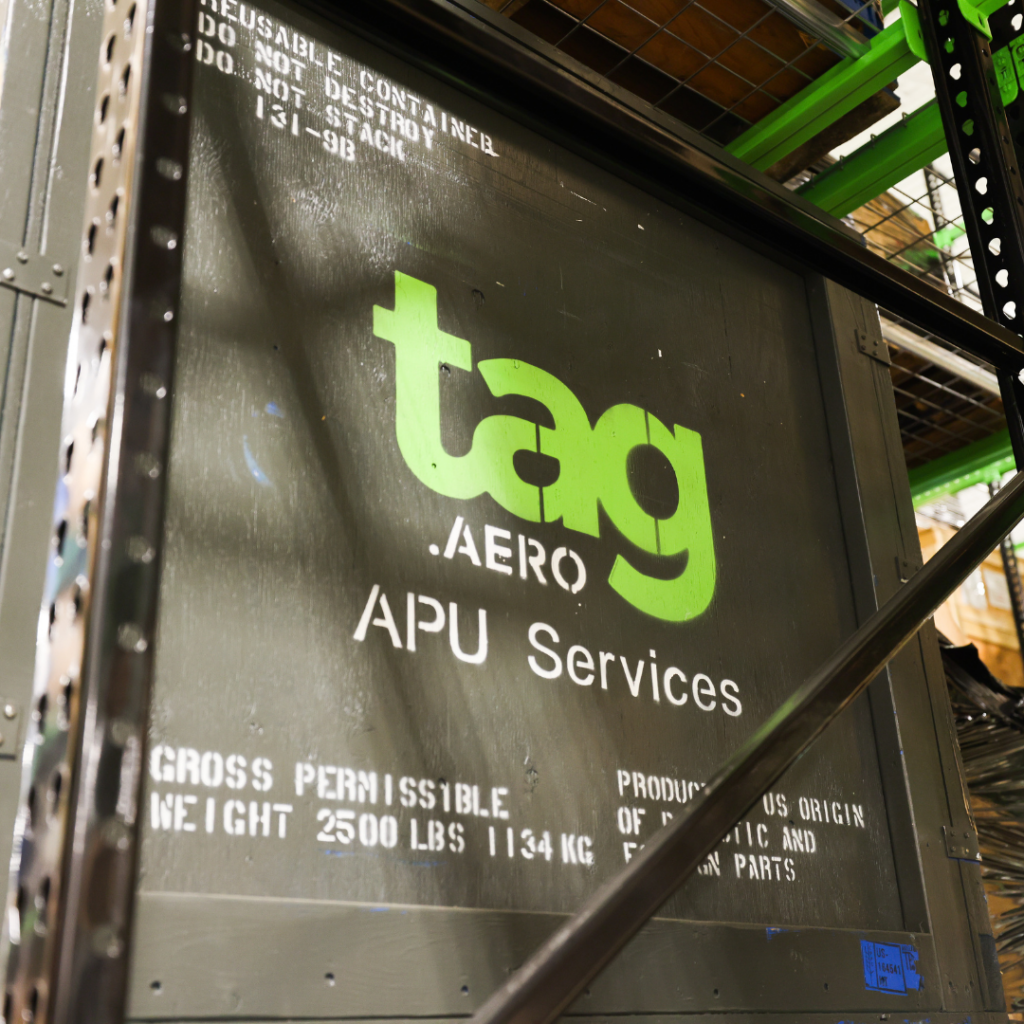
Understanding Auxiliary Power Units (APUs)
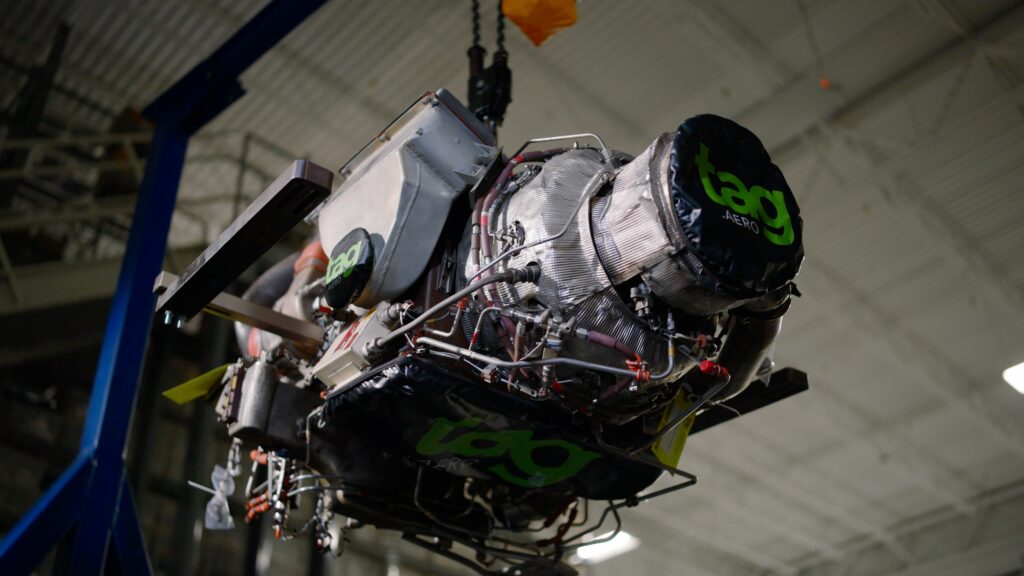
Auxiliary Power Units (APUs) play a crucial role in aviation by providing energy for various functions while the aircraft is on the ground. They power systems such as air conditioning, lighting, and avionics, allowing the main engines to remain off, which conserves fuel and reduces emissions.
APUs are typically located in the tail section of the aircraft and are designed to be lightweight and efficient. They can operate independently of the main engines, ensuring that essential systems remain functional even during ground operations. Understanding the importance of APUs helps aviation professionals maintain operational efficiency and compliance with environmental regulations.
Key Maintenance Practices for APUs
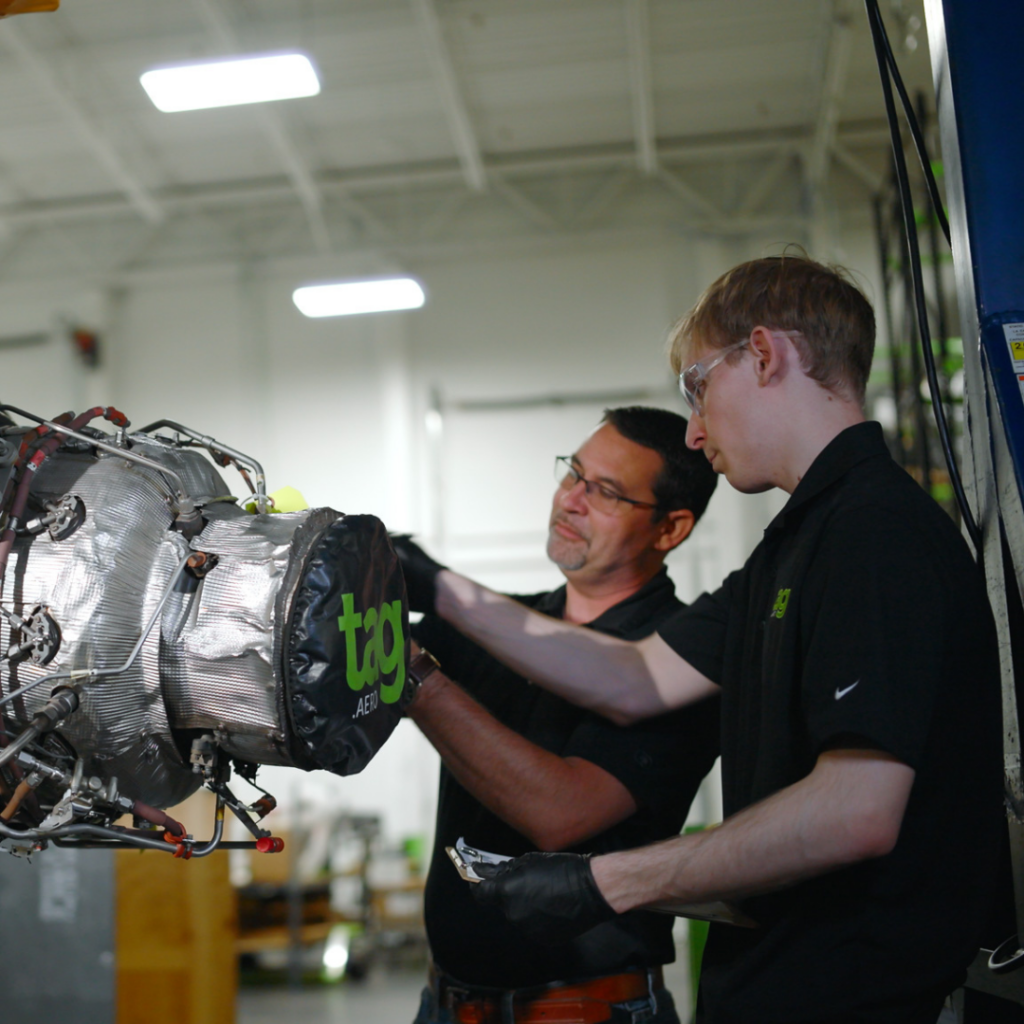
Regular maintenance of Auxiliary Power Units is essential to ensure their reliability and longevity. Key practices include routine inspections, oil changes, and filter replacements, which help identify potential issues before they become significant problems.
For example, following the manufacturer's recommended maintenance schedule can prevent unexpected failures and costly repairs. Additionally, keeping detailed maintenance records allows operators to track performance trends and make informed decisions regarding APU usage and servicing.
The Benefits of APU Exchange Programs
APU exchange programs provide airlines with a cost-effective solution for maintaining their fleets. By participating in these programs, airlines can quickly replace faulty units with refurbished or overhauled APUs, minimizing downtime and ensuring operational continuity.
These programs often come with warranties and performance guarantees, offering peace of mind to operators. For instance, a well-structured exchange program can provide a significant reduction in turnaround times, allowing airlines to maintain their schedules and enhance customer satisfaction.
Future Trends in APU Technology
The aviation industry is witnessing rapid advancements in APU technology, driven by the need for increased efficiency and reduced environmental impact. Innovations such as hybrid APUs and electric ground power units are emerging, promising to revolutionize ground operations.
For example, hybrid APUs combine traditional fuel-based systems with electric power sources, offering greater fuel efficiency and lower emissions. As airlines strive to meet stringent environmental regulations, these technological advancements will play a pivotal role in shaping the future of aviation operations.